
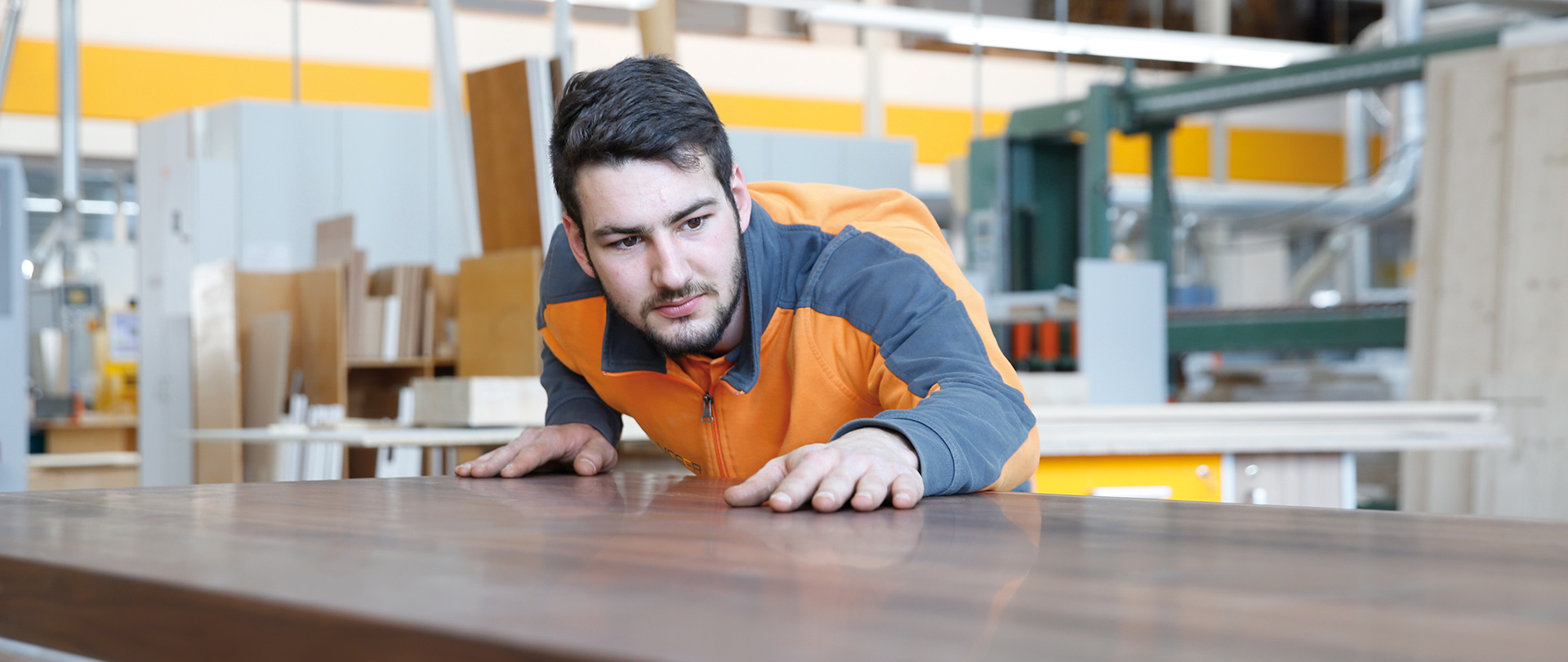
What makes furniture? People.
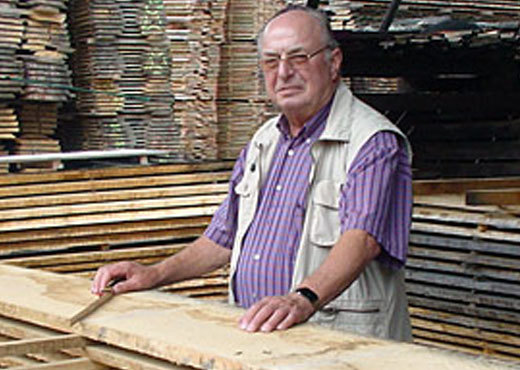
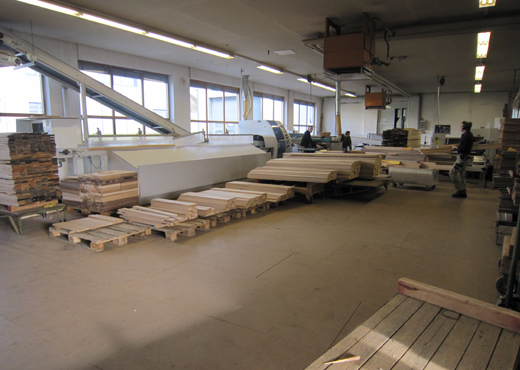
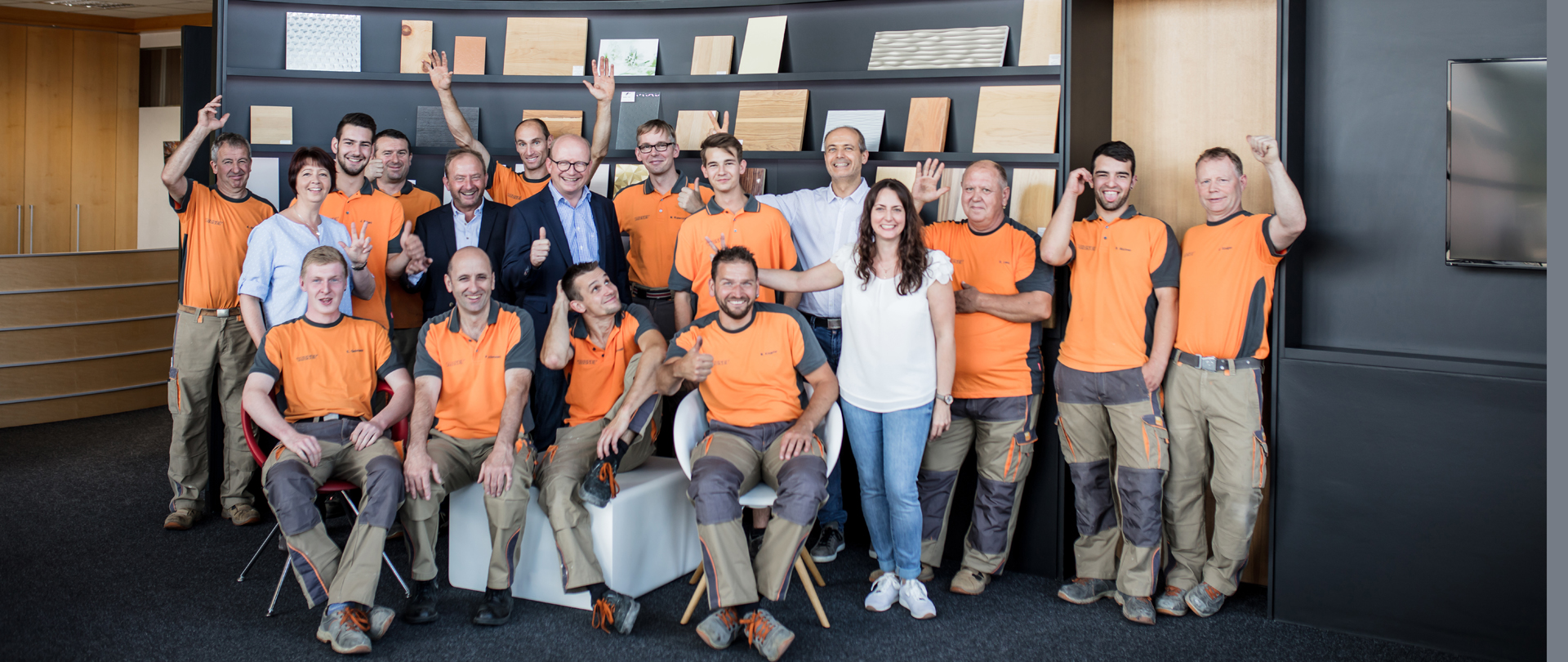
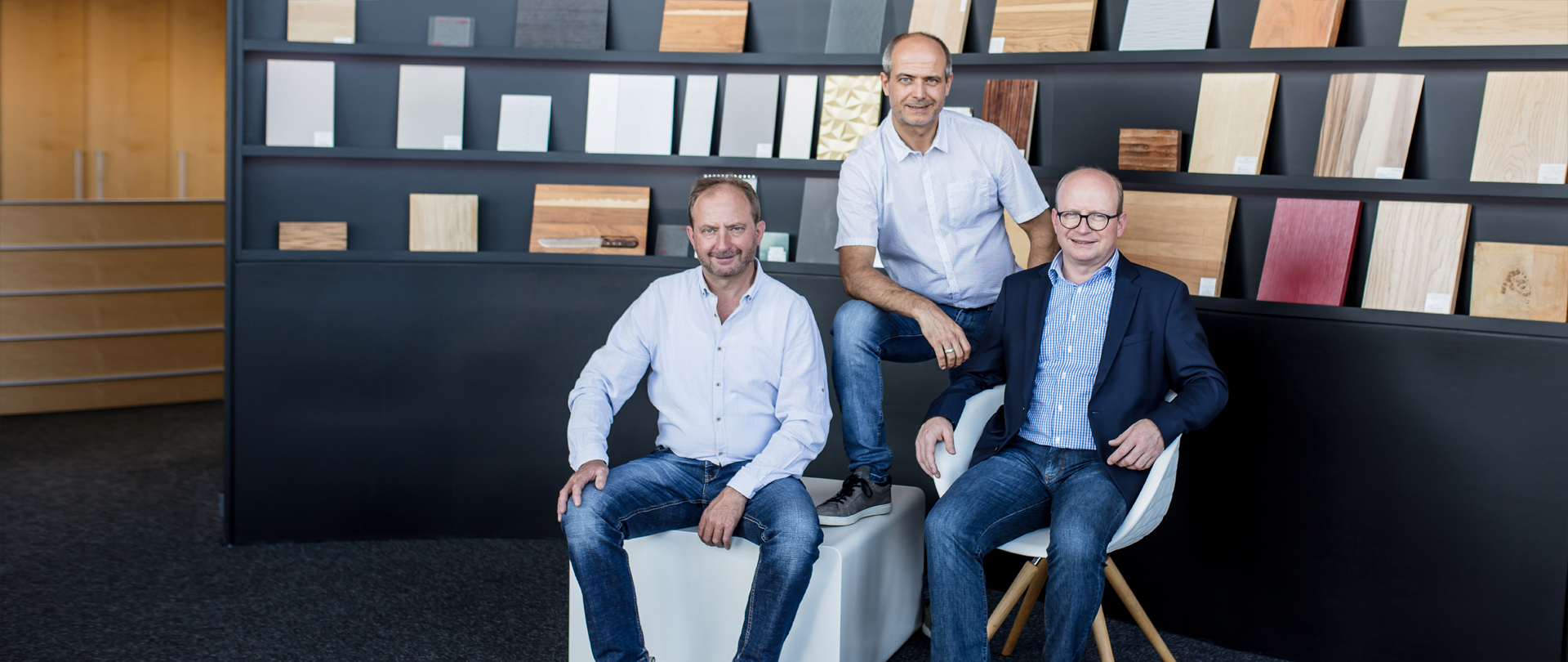
A manufactory is always made up of the people who work there. This is particularly important to us, because it is their ideas, their skills and their hands that ultimately create what our customers receive. That’s why we don’t just pay lip service when we say that our employees are our most important asset. It is only because we work together as a team that we can bring our motto “There’s no such thing as can’t” to life.
Economic and ecological considerations, as well as honesty, punctuality, and order, are the foundation of our work.
There are no limits to the variety:
Perfect for professionals and private use.
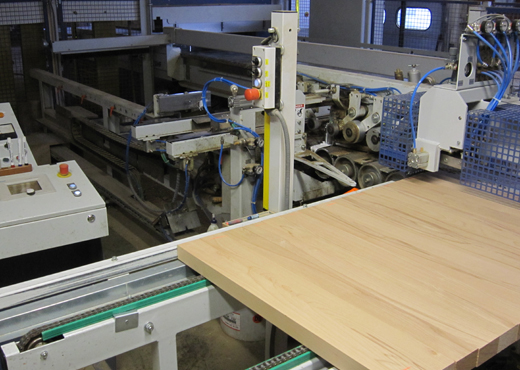
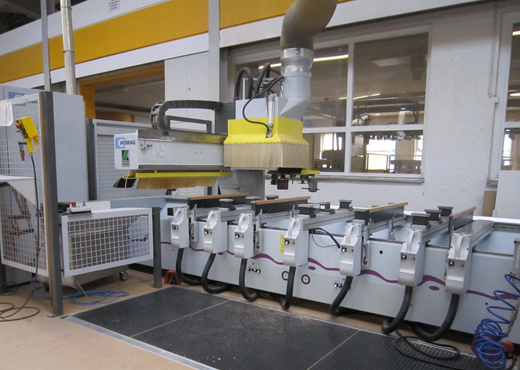
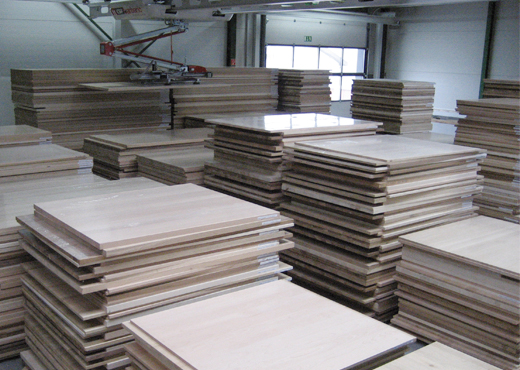
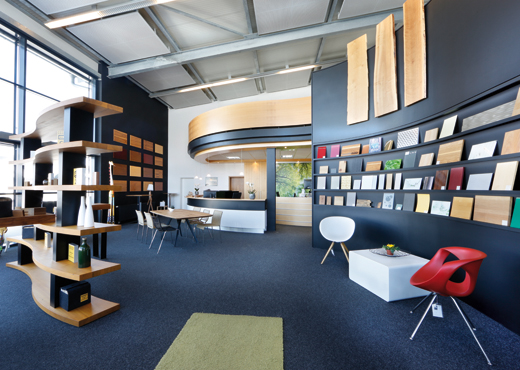
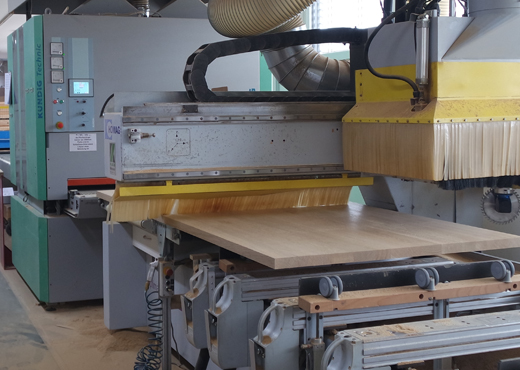
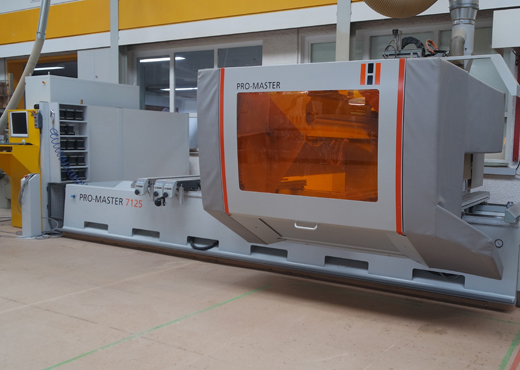
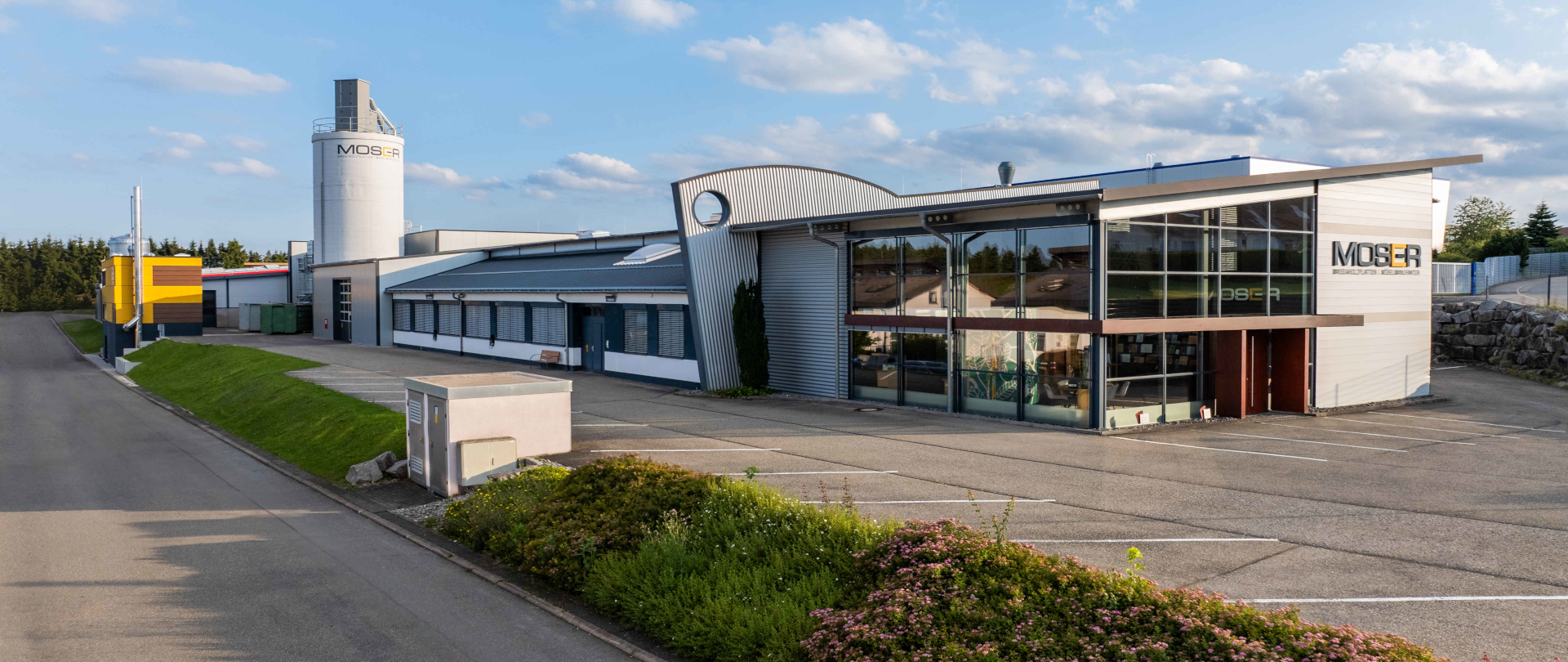
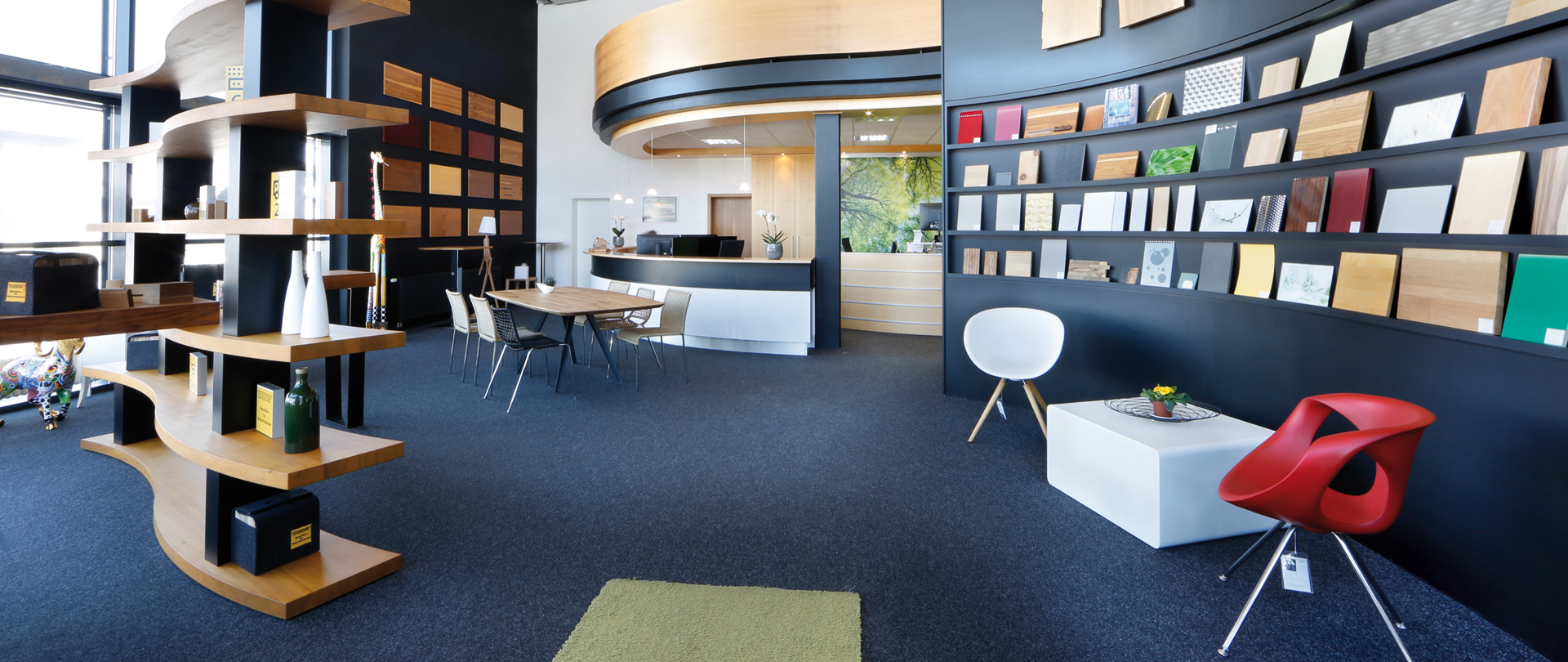
Whether you are planning a private renovation or new furnishings, or your company or business is facing new challenges – at Moser you will experience craftsmanship, years of experience, professional equipment such as automatic panel storage, panel cutting and CNC processing. In this way, we combine traditional craftsmanship with high-tech and can make your individual wishes come true.

Holz von hier
Holz Handwerk

Schreiner Partner Bayern
Schreiner Partner Bayern

Creative Partner
“Holz von hier” is not only an environmental label but also stands for climate protection, biodiversity, and resource protection. The criterion is wood from short supply chains from secure origins in the products. Wood from primary forests (primeval forests) and wood from globally endangered tree species are systematically excluded from “Wood from here.”
“Wood from here” certified products contain no wood from illegal logging. Only roundwood from sustainably managed forests, proven by a PEFC or FSC FM certificate or other suitable proof of sustainable forest management.
Climate protection:
Short distances in the entire (!) material flow of products. No wood from tropical and boreal primary forests (virgin forests) for climate protection reasons.
Biodiversity:
No wood from globally endangered tree species. No wood from tropical and boreal primary forests (virgin forests) for biodiversity reasons. The origin certificate corresponds to the environmental goals of the European Union.
Our success story
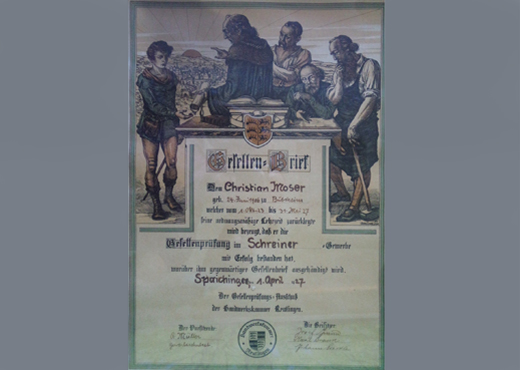
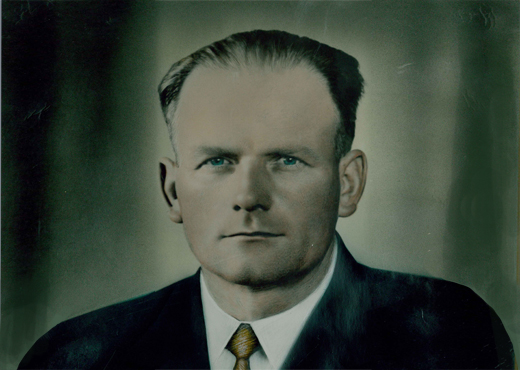
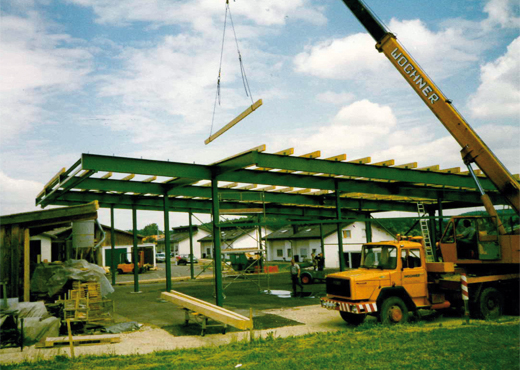
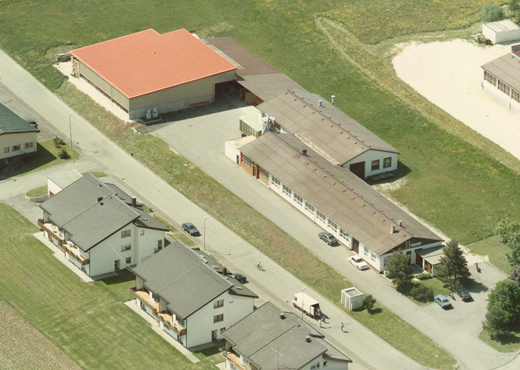
In 1965, Josef Moser took over the village carpentry workshop, which he expanded in the following years. Mainly doors and frames were produced before the product range was expanded to include glued wood and furniture around 1980.